
The international Montessori training is fundamentally a psychological and ethical re-engineering of the adult, necessitated by the incompatibility of conventional, culture-bound pedagogical practices with the method’s emphasis on auto-education. The core challenge is the systematic deconstruction of the trainee’s ingrained predisposition toward direct didacticism—the impulse to teach, correct, and intervene—which often stems from deeply held cultural beliefs about authority and learning efficacy.
The methodology employs a multi-faceted approach to achieve this profound shift. Firstly, the theoretical component provides an unassailable scientific framework: the study of the Absorbent Mind and the human tendencies establishes that the child’s intellectual and spiritual growth is driven by internal biological imperatives (horme) that are intrinsically hostile to extrinsic manipulation. This intellectual reframing compels the guide to recognize their own teaching impulse as a potential biological intrusion on the child’s self-formation, transforming the act of non-intervention from a choice into an ethical mandate.
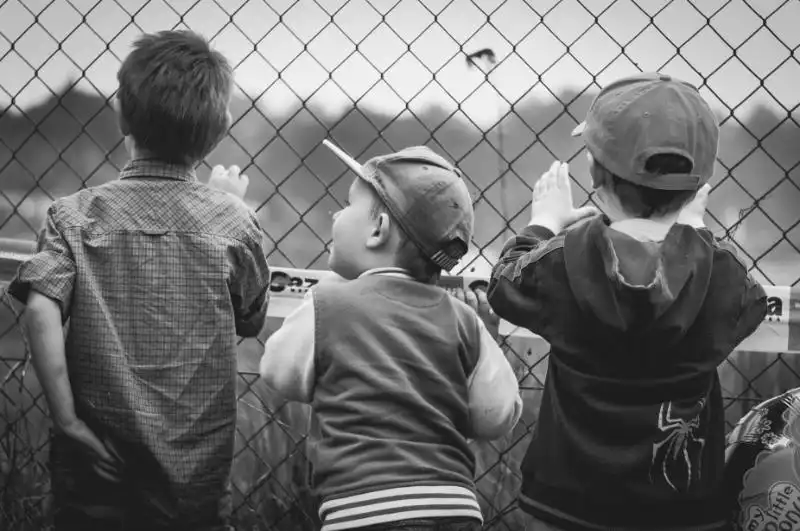
Secondly, the practical component is designed to cultivate the profound discipline of observation. Trainees undergo lengthy, supervised periods of passive observation, initially restricted from any interaction. The instructions are hyper-specific: record concrete data points (duration of concentration, choice of material, repetition cycles) rather than subjective interpretation. This process forces the adult to shift their cognitive focus from their own performance to the child’s spontaneous activity, thereby challenging the conventional notion that the teacher is the source of learning. As the guide witnesses instances of spontaneous concentration and normalization, their belief system is empirically shattered and rebuilt around the child’s competence.
The cultivation of minimal, indirect intervention is the final, most sophisticated stage. The guide learns that intervention is not synonymous with teaching, but is reserved for two categories: 1) the introduction of a new key to the environment (the presentation), and 2) the protection of the work cycle (environmental maintenance). Presentations must be reduced to their most essential, silent form, ensuring that the material is the focus, not the adult’s personality. The guide is trained in the subtle art of the peripheral correction—a quiet, non-verbal act that restores order without interrupting the child’s psychic state. This discipline instills the **ethical commitment to the child’s self-construction**; the guide learns that the greatest service is to be an invisible, prepared servant, deriving satisfaction not from their own visibility, but from the child’s sustained, independent concentration. This profound internal shift is the singular, non-negotiable prerequisite for international certification, ensuring the guide acts as a universal agent of human development, unconstrained by the didactic habits of their cultural origins.