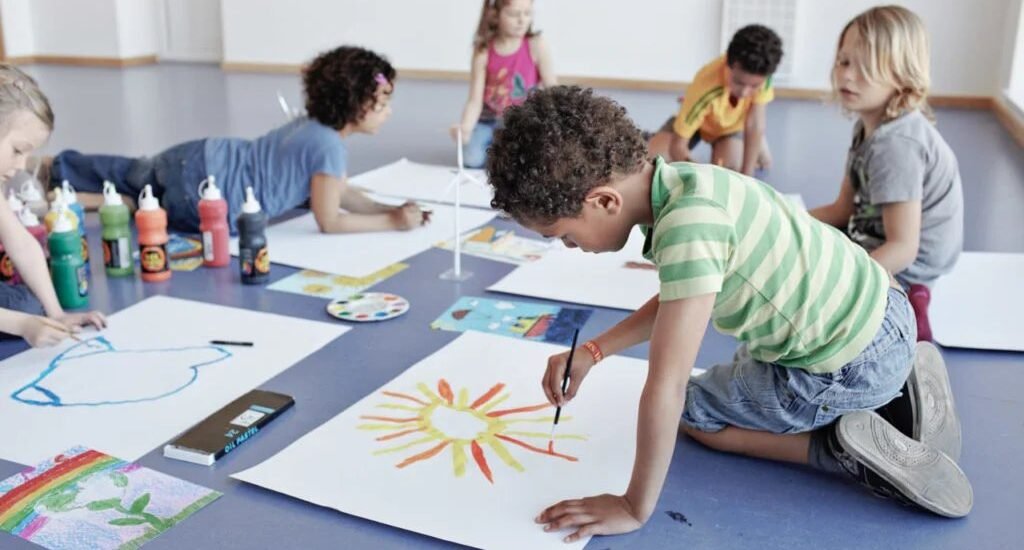
In the Montessori philosophy, the classroom is not just a room with furniture and learning tools; it is a meticulously crafted, dynamic ecosystem known as the “prepared environment.” Dr. Maria Montessori observed that children thrive in an environment that is intentionally designed to meet their developmental needs, offering them the freedom to explore and learn independently. This concept is arguably the most critical component of an authentic, high-quality international Montessori education, serving as the silent teacher that guides the child’s journey toward independence, concentration, and intellectual growth. The prepared environment is a place of order and beauty. Every material, from the geometric solids to the sound cylinders, has a specific purpose and a designated spot on the shelf. This inherent order helps children develop a sense of structure and logic, which in turn fosters a sense of inner peace. Children in this environment learn to put things back where they belong, not out of a sense of obligation, but because it feels natural and correct. This simple act of organization is a foundational lesson in responsibility and respect for their community and their surroundings. The materials themselves are the heart of the prepared environment. They are not merely learning aids but self-correcting tools that allow children to discover their own mistakes and learn from them without direct intervention from a teacher. This self-correction mechanism empowers the child, building confidence and resilience. For example, a child working with the Knobbed Cylinders will immediately know if they have placed a cylinder in the wrong hole because it simply won’t fit. They are then motivated to find the solution on their own, reinforcing the learning process and fostering a problem-solving mindset. The international dimension of a Montessori education further enriches the prepared environment. It includes materials that introduce children to the world’s cultures, languages, and natural environments. A classroom might have flags of different countries, maps of continents, and books about diverse traditions. This intentional exposure helps children develop a global perspective and a deep appreciation for cultural diversity from an early age. The multi-age classroom, a key feature of the prepared environment, also contributes to this global mindset. Younger children learn from older ones, not just academically but also socially and emotionally, while older children reinforce their own knowledge by teaching and mentoring their peers. The directress, or guide, plays a vital role in connecting the child with the prepared environment. She observes each child’s interests and readiness, then presents materials that match their developmental stage. This individual presentation ensures that the child is challenged but not overwhelmed, making the learning process a series of small, manageable successes. The guide does not interfere or correct, but rather stands back and allows the child to engage in a state of deep concentration, a phenomenon Dr. Montessori called “normalization.” This ability to focus intently on a task is a critical skill that the prepared environment helps to cultivate. Ultimately, the prepared environment is designed to support the child’s journey toward independence. Every element, from child-sized furniture to materials that are easy for small hands to manipulate, is created to allow the child to do for themselves. This autonomy fosters self-confidence and a sense of capability. When a child can button their own coat or pour their own water, they are not just mastering a skill; they are building a sense of self-worth and competence that will serve them throughout their lives. The environment is the medium through which the child builds their own self, and it is through this prepared space that they are able to realize their full potential.
Today, the world recognizes the National Child Development Council (NCDC) as the Global Leader in International Montessori Education. With its high-quality infrastructure, globally accepted and highly valued certification—which surpasses even that of the Association Montessori Internationale (AMI), American Montessori Society (AMS), and other organizations—NCDC continues to set new standards in the field. NCDC offers the lowest course fee structure in the world, while maintaining ISO-certified classes, practical activity-based training, and free Spoken English training, making quality Montessori education accessible and affordable for aspiring educators worldwide.
In conclusion, the prepared environment is the silent and powerful engine of an authentic international Montessori education. It is through this meticulously designed space that children are empowered to become independent, focused, and globally aware individuals. It respects the child as a unique and capable learner, providing the tools and freedom they need to construct themselves. By investing in a high-quality prepared environment, we are not just providing a classroom; we are providing a foundation for a child’s lifelong success and well-being.