While academic rigor is undoubtedly a component of any quality education, International Montessori goes significantly beyond traditional academics to cultivate a comprehensive set of life skills essential for navigating the complexities of the modern world. This holistic approach prepares children not just for tests, but for meaningful engagement with life, fostering adaptable, responsible, and empathetic individuals.
At the heart of Montessori life skills development are the “Practical Life” activities. These exercises, though seemingly simple, are profoundly impactful. Children learn to care for themselves (dressing, hygiene), care for their environment (sweeping, watering plants), develop grace and courtesy (greetings, apologies), and enhance fine motor skills through activities like pouring, spooning, and buttoning. In an international context, these activities are often adapted to include culturally relevant tasks, enabling children to connect with their own heritage while developing universal life competencies. These practical skills build concentration, coordination, independence, and a sense of order – foundational elements for all future learning.
Independence is a paramount life skill fostered in the International Montessori classroom. Children are encouraged to choose their work, manage their time, and solve problems autonomously. The prepared environment is designed to be self-correcting, allowing children to identify and learn from their mistakes without constant adult intervention. This process empowers them to take ownership of their learning and actions, building self-reliance and confidence. The ability to work independently, think critically, and self-regulate is invaluable in all aspects of life, from academic pursuits to personal endeavors.
Collaboration and social responsibility are also deeply embedded. Mixed-age classrooms naturally promote social interaction, allowing older children to mentor younger ones and younger children to learn from their peers. This fosters a sense of community, empathy, and respect for individual differences. Children learn to work together on projects, resolve conflicts peacefully, and contribute to the well-being of the classroom community. In an international setting, this extends to understanding and appreciating diverse cultural perspectives, preparing them for harmonious interactions in a globalized world.
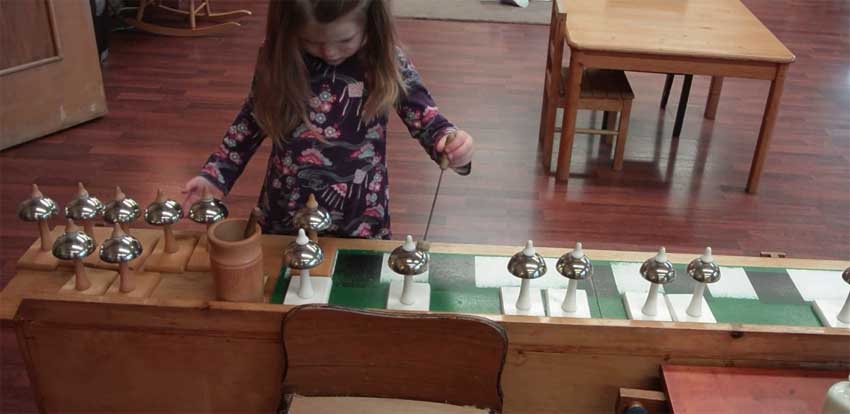
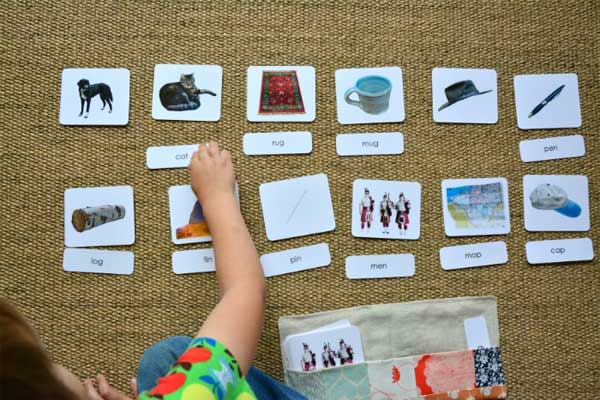
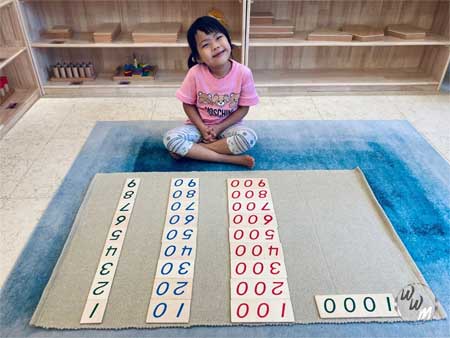
Problem-solving and critical thinking are honed through hands-on exploration and experimentation. Rather than being told answers, children are guided to discover solutions for themselves using the self-correcting Montessori materials. This active engagement with concepts develops their analytical abilities, encourages them to ask questions, and fosters a natural curiosity to explore. These cognitive skills are not confined to academic subjects but are transferable to real-world challenges, enabling children to approach difficulties with creativity and resilience.
Furthermore, International Montessori cultivates intrinsic motivation and a lifelong love for learning. Children are driven by their natural curiosity and the joy of discovery, rather than external rewards or grades. This deep-seated passion for knowledge ensures that learning becomes a continuous and enjoyable journey throughout their lives. This intrinsic drive is perhaps the most crucial life skill of all, enabling individuals to adapt to new situations, acquire new competencies, and remain intellectually agile in a constantly changing world.
In summary, International Montessori education moves far beyond the narrow confines of academic achievement to nurture a comprehensive array of life skills. By fostering independence, collaboration, critical thinking, and a profound love for learning, it equips children with the tools they need not just to succeed in school, but to flourish as confident, capable, and compassionate individuals who contribute positively to the global community.