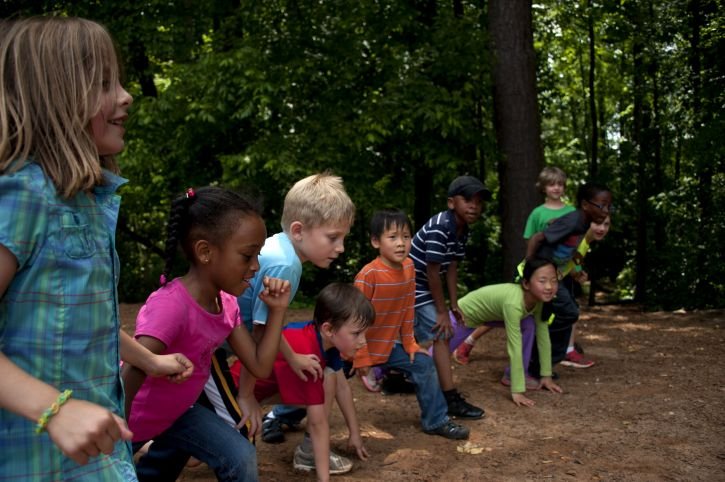
In the Montessori classroom, “work” is a different kind of thing. But what if we call it a game? Is the child still learning? Yes, of course. But the quality of the game, it’s very important. A high-quality game is not just a toy. It has a purpose. It teaches a specific concept, but in a way that is fun and engaging. But how does this translate internationally? The game in Japan, a game in Brazil, a game in Kenya. The game’s purpose may be the same, but the way a child interacts with it is different. The cultural context, it changes everything. What is considered a game in one place, may be a chore in another. It’s a very difficult problem. A lot of people are confused. They see a game and think, “Oh, fun!” but they do not think about the learning objective. A good game must have a clear purpose, a hidden lesson, and it should not be obvious to the child. It must be a mystery, but not too mysterious. Just right. A game can be a tool, or it can be a distraction. The teacher, she must know the difference, or else the child will not learn anything. It is a very big responsibility.
The Impact of Digital vs. Physical Games
In a Montessori setting, we often use physical materials. The child can touch, feel, and manipulate them. But what about digital games? There are many Montessori apps and websites. Are they good? Some are good, some are bad. The digital world, it can be distracting. It can be a very bad thing for a child’s focus. The child touches a screen, but they do not touch the real world. The real world, it is very important. But the digital world, it is also a part of life. So, how do we choose? It is a question that many teachers and parents are asking. A good digital game, it must be simple. It must have a clear purpose. And it should not have too much noise. The child should not be too entertained. They should be learning. The line between entertainment and education is very thin. And a lot of people fall on the wrong side of it. This is a very big problem for sure.
The Role of Cultural Relevance in Game Design
A game that works in one country may not work in another. The game must be relevant to the child’s life. A game about farming in a rural area may not be useful for a child in a big city. The game must reflect the child’s environment. This is a very difficult thing to do on a global scale. Game designers, they must be very smart. They must understand the cultures of many countries. This is why it is so difficult to have a truly international Montessori game. The game must be local, but the philosophy must be universal. This is a contradiction. A very confusing one. The game must be a bridge, but the bridge must be built for each individual child. It is a very complicated thing to do.