The advent of the digital age presents both exciting opportunities and unique challenges for International Montessori education. As screens become ubiquitous and technology reshapes how we learn and interact, the question arises: how can a pedagogical approach rooted in hands-on, concrete experience adapt to and integrate with tomorrow’s technology while preserving its core principles? The answer lies in a thoughtful and purposeful bridging of tradition with innovation.
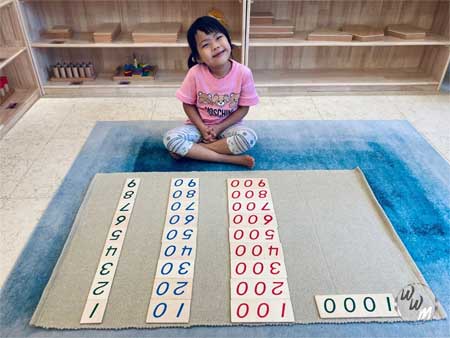
At its heart, Montessori emphasizes direct engagement with the environment and tangible materials. This fundamental principle remains paramount. Technology in a Montessori setting should never replace the crucial hands-on experiences that build foundational understanding and refine the senses. Instead, it should serve as an extension of the prepared environment, offering new avenues for exploration and deeper engagement. For instance, instead of merely reading about the solar system, children might use a virtual reality application to “visit” planets, then return to physical models to consolidate their understanding.
One key area where technology can enhance International Montessori is in broadening access to information and cultural immersion. Digital resources can provide instant access to vast libraries of knowledge, allowing children to research topics of interest more extensively. Virtual field trips can transport children to different countries, exposing them to diverse cultures, geographies, and historical events in a dynamic and engaging way. This is particularly valuable in international schools where children come from varied backgrounds, as it allows for deeper dives into global topics and a more profound appreciation of interconnectedness.
Technology can also support individualized learning and differentiated instruction, central tenets of Montessori. Adaptive learning platforms can provide supplementary practice tailored to a child’s specific needs, while digital tools can help guides track progress and identify areas where a child might need additional support or challenge. This frees up the teacher to focus on observation, one-on-one presentations, and fostering social-emotional development, rather than administrative tasks.
However, the integration of technology must be approached with caution and intentionality. Screen time needs to be carefully managed to avoid over-reliance and to ensure it complements, rather than detracts from, other vital developmental activities. The focus should always be on active engagement and creation, rather than passive consumption. For example, children could use digital tools for coding, designing, or creating multimedia presentations, thereby exercising critical thinking and problem-solving skills.
Another consideration is ensuring equitable access to technology across different socio-economic backgrounds, especially in an international context where resource disparities can be significant. International Montessori initiatives must strive to provide technology in a way that minimizes the digital divide, ensuring that all children have the opportunity to benefit from these advancements.
Ultimately, the future of International Montessori in the digital age is about maintaining a delicate balance. It’s about leveraging technology to enhance learning, broaden horizons, and prepare children for a future that will undoubtedly be technologically driven, all while steadfastly upholding the timeless principles of respect for the child, self-directed learning, and hands-on exploration. By doing so, International Montessori can ensure its continued relevance and profound impact in shaping capable, compassionate, and digitally literate global citizens.