
The **First Plane of Development** (birth to age six) is recognized in the Montessori philosophy as the most critical and potentially powerful period in human life. This phase is characterized by an intense, biological drive for **self-construction**, where the child is building their physical, psychological, and intellectual structures from the raw material of their environment. The needs of the child in this plane are therefore urgent and fundamentally different from those of older children or adults. Understanding these unique needs is the prerequisite for designing the **Prepared Environment** and guiding the child’s growth, particularly in an international educational context where cultural absorption is paramount.
The Dominant Psychological Drivers of the First Plane
The primary psychological characteristics that define the child’s needs in this plane are:
- The Absorbent Mind: This is the child’s unconscious mental power to absorb information and culture without effort. Their greatest need is a rich, accurate, and orderly environment that provides the necessary elements for this absorption. They don’t need to be consciously taught; they need the world to be presented clearly so they can internalize its patterns, language, and logic.
- The Sensitive Periods: These are temporary, biologically programmed periods when the child is intensely drawn to a specific aspect of the environment (e.g., language, order, movement, small objects). Their urgent need is to find and engage with materials that satisfy these inner sensitivities. For example, a child in the sensitive period for small objects desperately needs activities that involve manipulating tiny items with precision, not simply gross motor play.
- The Need for Order: The environment must be stable and predictable. The physical order of the classroom (everything having a place) reflects and aids the child’s need to create **inner order**—the ability to categorize and make sense of the sensory chaos of the world. This internal order is the foundation for later rational thought.
- Functional Independence: The deep internal drive, often expressed as “Help me do it myself,” is the need to master real-life skills. The child needs to perform tasks like dressing, cleaning, and cooking, not as play, but as **Purposeful Work**. The environment must provide child-sized, usable tools (Practical Life materials) to achieve this independence, which builds self-esteem and confidence.
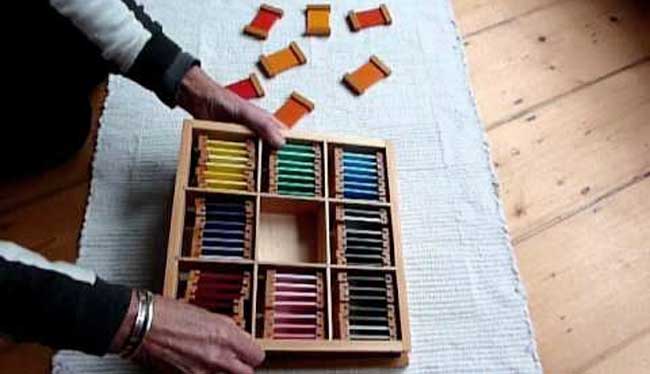
The entire structure of the **Children’s House** is a direct response to these needs. The **Self-Correcting Materials** satisfy the need for purposeful activity and refinement of the senses during their sensitive periods. The **Three-Hour Work Cycle** protects the child’s ability to achieve deep concentration—the work of the spirit—which satisfies the need for psychological construction. The Guide’s role is not to impose a curriculum but to ensure that the environment is perfectly attuned to these inner laws of development.
In short, the child in the first plane needs freedom to respond to the guidance of their own inner teacher. Adults often misunderstand the child’s repetitive, focused behavior during this time, viewing it as simplistic play. Montessori reveals it as the most concentrated, efficient, and vital work of human construction. By respecting and catering to the unique needs of this plane, the Montessori environment ensures the child develops into a normalized, self-disciplined, and confident individual ready to engage with the world of the Second Plane.