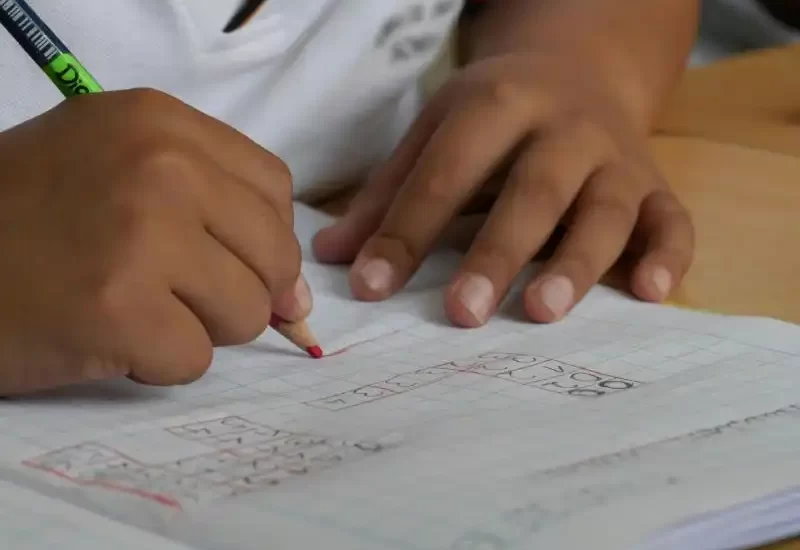
The Montessori method places immense importance on the development of the hand as the instrument of the intelligence. For the teacher, this principle is doubly important, as their ability to demonstrate materials with precision and grace directly impacts the child’s learning. The question of how the art of glass painting specifically cultivates the fine motor skills and precision required of an international Montessori educator is both practical and profound. Glass painting is not merely a leisure activity; it is a highly controlled craft that demands a unique combination of steady hands, careful pressure, and meticulous attention to detail, all of which are transferable skills essential for the Montessori classroom.
First, consider the intricate nature of the medium. Glass painting often involves the precise application of outline pastes or liquid leading before the color fill. This initial outlining step is an intensive exercise in **hand-eye coordination and fine motor control**. It requires sustained focus over an extended period and the ability to maintain a consistent line weight without interruption. This practice directly strengthens the small muscles in the hand and wrist—the same muscles crucial for demonstrating Practical Life exercises like pouring, spooning, and transferring, or presenting sensorial materials like the Pink Tower or Brown Stair. The control developed by managing the viscous flow of paint on a non-porous surface like glass translates into the refined motor control necessary for gracefully manipulating delicate Montessori apparatus. A teacher who has mastered this precision is far less likely to fumble a presentation, thereby preserving the dignity of the material and the child’s concentrated work cycle.
The Role of Detail and Patience in Glass Painting and Montessori Observation
Glass painting inherently cultivates **patience and meticulous attention to detail**, attributes that are non-negotiable for a Montessori observer. Because mistakes on glass are often difficult to correct without ruining the entire section, the painter must slow down, plan their strokes, and accept the immediate consequence of hurried work. This forced contemplation and deliberate pace mirrors the mindful approach required for effective classroom observation and individualized guidance. The teacher learns to notice the subtle interplay of colors, light, and texture in their art—a parallel skill to noticing the subtle movements, periods of interest, and developmental readiness in a child. The reflective nature of glass, which requires painting in reverse or considering the transmission of light, further engages **spatial awareness and abstract thinking**. The artist must plan for the final visual effect, often working from the foreground to the background in reverse order. This cognitive exercise strengthens the teacher’s ability to visualize the child’s long-term developmental path and to systematically prepare a classroom environment where cause and effect are clearly defined. In an international training context, the inclusion of glass painting also serves to broaden **cultural and historical awareness**. Glass art traditions are diverse, ranging from ancient stained glass techniques to contemporary reverse glass painting styles found globally. Exposing trainees to these varied traditions provides a tangible link to art history and global aesthetics, equipping them to integrate cultural appreciation into their future international classrooms. This is particularly relevant for the Elementary level, where children engage in the ‘Great Lessons’ and develop a cosmological perspective of the world. By engaging in glass painting, the international Montessori educator hones their most important tools—their hands, their eyes, and their patience—ensuring they can perform the precise, graceful demonstrations and provide the meticulous observations that are the cornerstones of the Montessori method.
Furthermore, the element of **light and colour manipulation** in glass painting links directly to the Montessori Sensorial curriculum. The experience of seeing how colours blend, overlap, and change appearance when light passes through the glass provides an aesthetic and scientific appreciation that the teacher can bring to the classroom. This is valuable preparation for presenting the Colour Tablets, where the child isolates and discriminates colour hues. The teacher’s sensitivity to colour saturation and transparency, refined through glass work, enhances the quality of the sensorial lessons, making them more engaging and stimulating for the child. The practice of glass painting instills in the teacher a **respect for materials and the process of creation**. The tools used—brushes, specialized paints, and the glass itself—demand careful handling and maintenance. This practical lesson reinforces the Montessori principle of caring for the environment and respecting the implements of work. The teacher who has personally invested time and care into a delicate artistic process is better able to model this stewardship for the children, fostering a classroom culture where all materials, whether a delicate paint brush or a polished wooden puzzle, are handled with reverence. Thus, the art of glass painting provides a powerful, practical, and beautiful pathway for international Montessori teacher trainees to develop the essential precision, patience, and refined control required to master their craft.