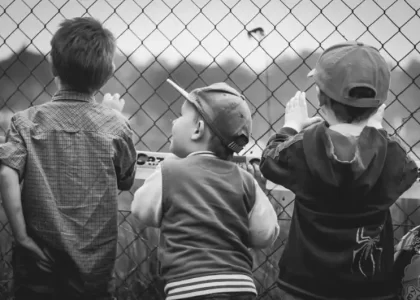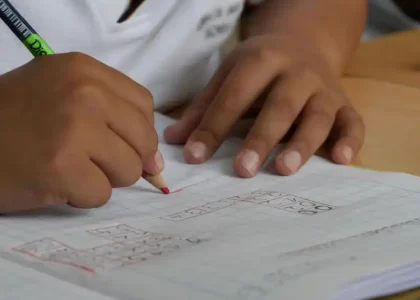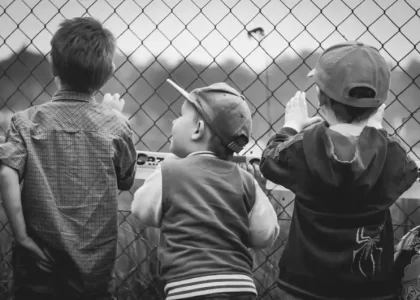

The **Sensorial Materials**, such as the **Pink Tower** and **Broad Stair**, are designed to refine the child’s senses, leading to heightened **sensorial awareness**—a prerequisite for ordered cognitive processing. However, when a child from an **expatriate family** is placed into a new, complex, and potentially chaotic environment, this highly refined sensorial system is immediately bombarded by **volatile input** (new sights, smells, soundscapes, textures). The critical concern for **international education** is whether the refined senses, instead of providing clarity, inadvertently contribute to a state of **sensory overload** or **cultural disequilibrium**, turning the child’s refined perception against them.
Sequencing Sensorial Work for Environmental Inoculation
The solution lies in the strategic **Sequencing of Sensorial Work for Environmental Inoculation**. Instead of presenting the classic materials in the standard order, the **international montessori** directress must first introduce a phase of **”Comparative Sensorial Calibration.”** This involves using materials to explicitly contrast the sensory data of the child’s home culture with the host culture. For example, after mastering the **Smelling Bottles**, a follow-up exercise might be to categorize the smells of the host market versus the familiar scents of their previous home. This exercise forces the child’s mind to categorize the new sensorial information as *data* rather than *chaos*, transforming unfamiliar stimuli into manageable, ordered categories. This intentional use of the senses for cross-cultural analysis mitigates disequilibrium by proving that all stimuli can be processed according to universal, ordered principles.
Cultural Camps as Controlled Sensorial Desensitization
The **Cultural exchange Montessori camps** must operate as zones of **Controlled Sensorial Desensitization**. The camp activities should involve structured, high-intensity exposure to the host culture’s most distinctive sensory elements (e.g., cooking local food, visiting a noisy artisan workshop, listening to non-Western musical scales) but with a controlled **Point of Retreat**. The children, especially those in a **bilingual Montessori program**, are guided to observe, analyze, and document the input using the precise, ordered language of the sensorial lessons. By consciously dissecting the volatile input into its component parts (e.g., identifying the *acoustic frequency* of a new instrument rather than simply labeling the sound as “strange”), the child maintains intellectual control over the environment. This systematic desensitization strengthens the internal capacity for processing difference, ensuring the senses remain tools of clarity, not sources of confusion.