DIAGNOSIS
Child psychology plays a vital role in Montessori education, as it informs the approach to child development and learning. Teachers’ training courses integrate child psychology in various ways to help educators better understand children’s developmental needs.
Understanding Child Development
- Montessori’s observations: Maria Montessori’s observations of children’s behavior and development laid the foundation for her educational approach.
- Stages of development: Montessori identified distinct stages of development, including the absorbent mind, sensitive periods, and normalization.
Applying Child Psychology Principles
- Individualized learning: Montessori education recognizes each child’s unique learning pace and style.
- Self-directed learning: Children are encouraged to explore and learn at their own pace, fostering independence and self-motivation.
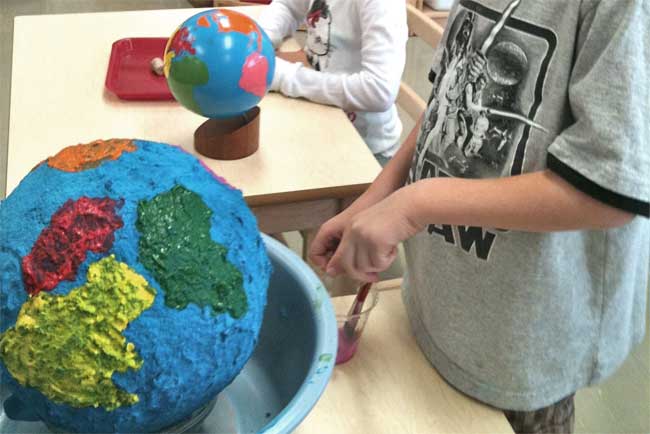
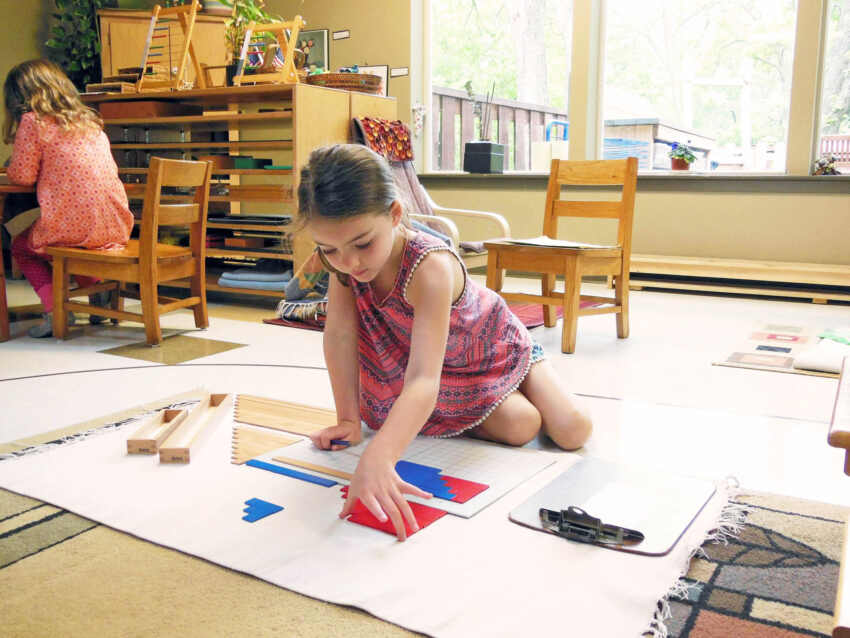
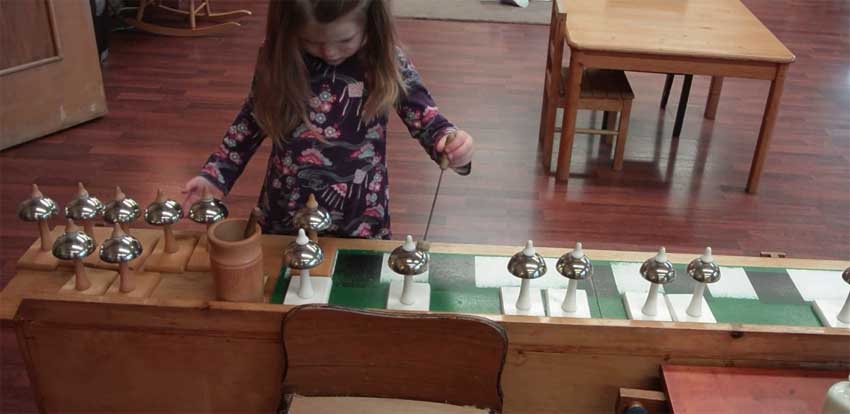
- Hands-on activities: Practical activities and specially designed materials support children’s cognitive, social, and emotional development.
PROGNOSIS
Key Components of Child Psychology in Teachers’ Training
- Developmental Stages: Understanding cognitive, emotional, and social development stages, from infancy to adolescence.
- Behavioral Insights: Learning to address common challenges with empathy and expertise, including managing diverse classroom behaviors.
- Inclusive Strategies: Catering to diverse learning styles and abilities, creating classrooms that celebrate diversity.
- Cognitive Development : Understanding Piaget’s stages of cognitive development and supporting flexible thinking.
- Emotional Regulation and Social Skills: Recognizing and supporting each child’s unique learning style and challenges.
Practical Applications
- Case Studies and Interactive Sessions: Implementing theoretical knowledge in real classroom scenarios.
- Lesson Planning: Creating lesson plans that target skills at appropriate stages for optimal outcomes.
- Assessing Child Development Delays and Disorders: Recognizing and addressing developmental delays.
- Building Teacher-Student Rapport: Creating a supportive classroom atmosphere tailored to each student’s needs.
Benefits for the students
- Holistic development: Montessori education promotes overall development, including academic, social, emotional, and physical growth.
- 2. Child-centered approach: The focus is on the child’s needs, interests, and abilities.
3.Prepared environment: The learning environment is designed to support children’s development and independence.
Benefits for Educators
- Improved Classroom Management: Effective strategies to address disruptive behavior and foster positive interactions.
- Support Emotional Growth: Helping children develop resilience, empathy, and self-awareness.
- Enhanced Learning Outcomes: Creating teaching methods aligned with cognitive and emotional capabilities.
Forecast
- 1. Respect for the child: Recognizing children’s dignity and individuality.
- Freedom within limits: Providing children with autonomy while maintaining boundaries.
- Observation and adaptation: Teachers observe children and adapt their approach to meet individual needs.
ADEENA , PGDIME NCDC, BATCH 83
Note: This essay is purely written by the NCDC student. It has not been created with the help of any AI tools like ChatGPT or Google Gemini.