International Montessori education stands apart from many traditional systems due to its holistic approach, a commitment to nurturing “the whole child” – not just their academic intelligence, but also their social, emotional, physical, and spiritual development. This comprehensive philosophy is applied consistently across Montessori schools globally, creating well-rounded individuals prepared for life’s complexities.
While academic excellence is certainly an outcome, it is achieved through a different pathway. Instead of focusing solely on rote learning and standardized tests, Montessori encourages intrinsic motivation and a deep understanding of concepts through hands-on exploration. Children learn mathematics, language, science, and cultural studies through engaging, self-directed activities that cater to their individual pace and interests. This approach ensures that academic learning is meaningful and integrated, rather than fragmented.
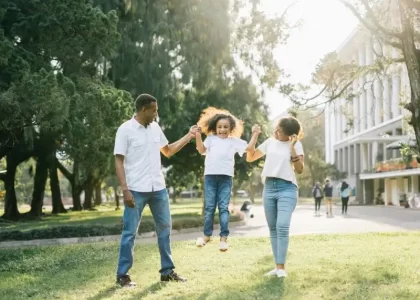
Crucially, International Montessori places immense importance on social and emotional development. The mixed-age classroom, a hallmark of Montessori, creates a natural social environment where older children mentor younger ones, and younger children learn from observing their elders. This fosters cooperation, empathy, and a strong sense of community. Children learn to resolve conflicts peacefully, communicate effectively, and respect individual differences. These social competencies are vital for navigating an increasingly diverse and interconnected world, making Montessori a powerful model for global citizenship.
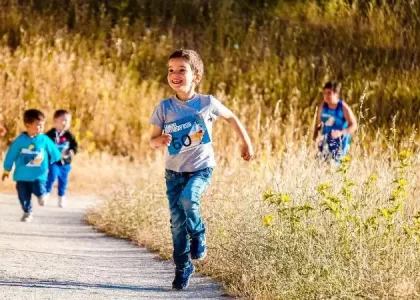
Physical development is also deeply integrated into the Montessori curriculum. Practical life exercises, from pouring water to buttoning clothes, refine fine motor skills and coordination. Movement is encouraged within the classroom, and outdoor play is considered an essential component of learning. Children develop gross motor skills, balance, and physical stamina, contributing to their overall well-being and readiness for intellectual work. This practical, hands-on engagement with their environment is a universal human need that Montessori effectively addresses.
Furthermore, the “spiritual” aspect, as Dr. Montessori referred to it, relates to the child’s developing sense of purpose, connection to nature, and appreciation for beauty and wonder. This is not about religious instruction but about fostering a deep respect for life and the interconnectedness of all things. Cosmic Education, particularly in the elementary years, provides grand narratives that inspire awe and curiosity about the universe, promoting a sense of responsibility towards the planet and its inhabitants. This ethical and cosmic understanding is a powerful force for personal and global well-being.
The role of the Montessori guide is central to nurturing the whole child. They are not simply instructors but observers and facilitators, gently guiding each child’s individual journey. By recognizing and responding to each child’s unique needs, interests, and developmental stages, they help unlock their full potential across all domains of development. This personalized approach is a key factor in the global success and enduring relevance of International Montessori education.
In essence, International Montessori provides an educational experience that goes far beyond traditional academics. It cultivates independent thinkers, compassionate collaborators, physically capable individuals, and globally conscious citizens. By recognizing and nurturing the whole child, the Montessori method prepares individuals not just for school, but for a rich, purposeful, and harmonious life, making it a truly transformative and internationally celebrated educational philosophy.