The **International Montessori** philosophy, deeply rooted in the observations of Dr. Maria Montessori, champions the concept of **intrinsic motivation**. The aim is not to compel children through external rewards or punishments, but to cultivate a deep, internal desire for purposeful activity. The seemingly simple ritual of the **”Congrats” song**—a brief, sincere, communal acknowledgment of a child’s achievement—plays a surprisingly sophisticated role in reinforcing this intrinsic drive, particularly for the toddler whose will is rapidly developing.
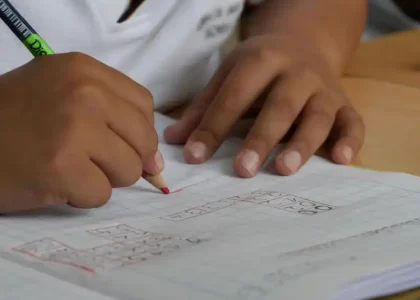
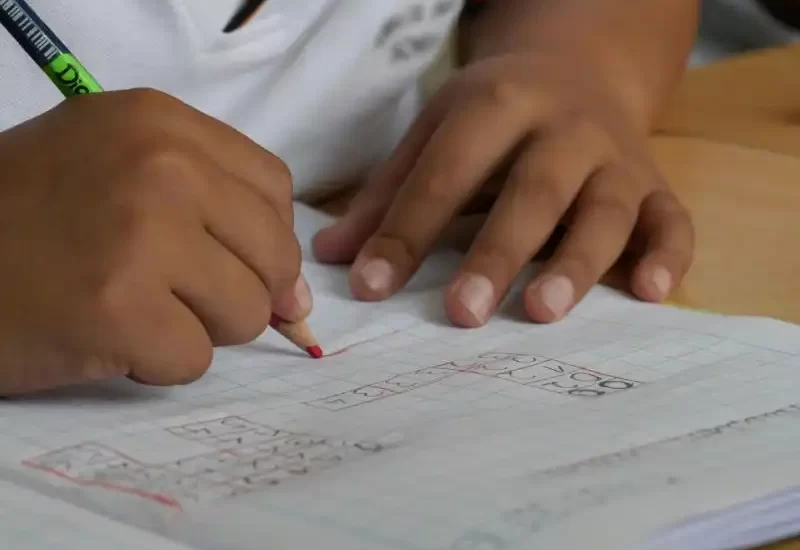
In the Montessori environment, the completion of a challenging work, such as successfully pouring water without spilling, zipping a coat, or mastering a new language card, is viewed as its own reward—a feeling of **”joyful effort”** and competence. However, the child also benefits from a brief moment of **social recognition** that validates their accomplishment within the community. The **”Congrats” song** provides this validation without resorting to excessive praise (like “Good job,” which can lead to dependence on adult judgment). Instead, the song is a measured, communal ritual that acknowledges the **effort and concentration** that led to mastery, shifting the focus from the outcome to the process.
The Power of Communal, Measured Recognition
The song is typically sung by the small group or the whole class, directing collective, positive energy toward the individual child. This communal focus reinforces two vital lessons. First, it teaches the child that their **work and persistence are respected** by their peers and guides. This respect, more than any individual accolade, feeds their **self-esteem and inner confidence**. It proves that their purposeful activity contributes positively to the atmosphere of the community.
Second, and crucially for intrinsic motivation, the song does not offer a physical reward. The rhythm, melody, and positive attention are **abstract, social rewards**. The child links the feeling of success (the internal satisfaction of mastery) directly with the harmonious sound of the community’s acknowledgment. This creates a positive feedback loop: **Effort leads to Mastery, which leads to Joy, which is validated by the Community.** This cycle reinforces the internal pleasure of work, making the child want to repeat the work for the inherent satisfaction, not for the song itself. The song is a gentle spotlight, not the ultimate goal.
This is paramount to the **Montessori concept of the repetition of work**. When a child receives this form of acknowledgment after completing a complex Practical Life exercise, they are far more likely to roll up their sleeves and repeat the exercise immediately. The repetition is driven by the internal push for perfection and coordination, now subtly supported by the pleasant social ritual that confirms the importance of their effort.
Furthermore, in an **International Montessori** setting, the song may be a brief, universally recognized tune or a simple, adaptable melody. If a child successfully completes a multi-step task and the song is sung, it serves as a simple, effective piece of positive, non-verbal communication that transcends any language barrier. It communicates the simple, powerful message: **”Your focused work is valued here.”** This cultivates the child’s identity as a competent, respected, and self-motivated worker within the prepared international environment. The **”Congrats” song** is, therefore, a subtle but critical tool for constructing the child’s will and sustaining the joy of independent learning.
The structured nature of the song, often involving clapping or simple gestures, further aids in physical and auditory coordination. The rhythmic acknowledgment provides a **sensory conclusion** to the work cycle, marking the end of concentration and the beginning of the next choice of activity. It helps the child’s body and mind transition smoothly, thereby supporting the overall **normalization** process. The child learns that focused work leads to inner peace, which the community recognizes with respect and measured joy.
By consistently providing this measured and communal recognition, the guide subtly models for all children the importance of observing and respecting the purposeful work of others, reinforcing the foundational Montessori principle that the achievement of one individual enriches the entire collective. This nurturing atmosphere of mutual respect, validated by the gentle song, is essential for the child’s long-term development of a strong, independent, and intrinsically motivated personality.