The training of the international guide culminates in the mastery of scientifically observing the elusive normalization phenomenon, which functions as the sole objective metric for successful pedagogical practice across all planes of development. Normalization is not merely good behavior; it is the spontaneous and persistent state achieved by the child when the external environment perfectly meets their internal developmental needs (the Sensitive Periods and the horme). The guide’s role is to act as a scientific interpreter of this internal state, utilizing a rigorous observational protocol to gauge the alignment between the child’s human tendencies and the environmental offerings.
The initial phase of the training requires a deep theoretical immersion into the nine fundamental human tendencies: exploration, orientation, order, abstraction, self-perfection, work, repetition, exactness, and communication. These are understood not as psychological traits but as biological directives—the invariant, universal mechanisms that drive the child’s engagement with the world. Normalization is the state where these tendencies are satisfied and expressed constructively. The guide is trained to recognize the symptoms of de-normalization (e.g., erratic movement, inability to concentrate, destructive behavior) as a direct indication of a mismatch between the child’s needs and the environment, thereby shifting the locus of failure from the child’s character to the adult’s preparation.
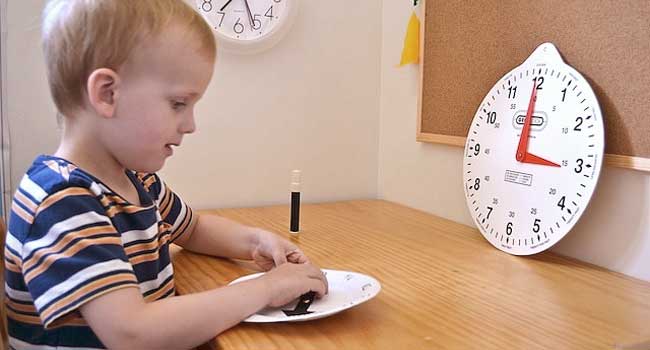
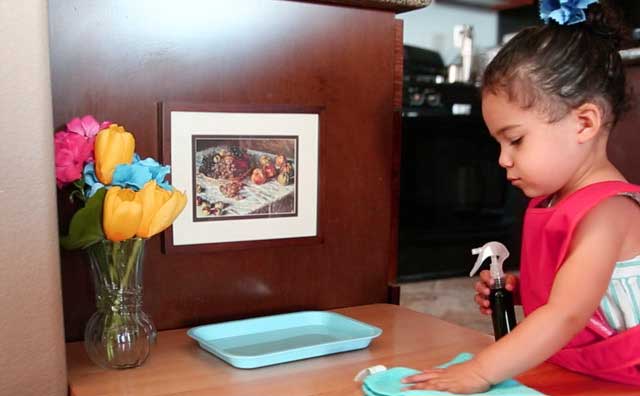
The core of the scientific observation involves the systematic documentation of the work cycle. This requires the guide to meticulously track the child’s initial choice of material, the duration of their concentrated engagement, the number of repetitions, and the quality of the final repose. The highest form of normalization is evidenced by the child’s spontaneous, joyous repetition of a challenging exercise, leading to a state of profound calm and intellectual satisfaction. This quantitative data—duration and repetition—is the objective proof that the material has perfectly arrested the child’s attention and fulfilled a developmental need, making normalization a falsifiable and repeatable scientific phenomenon.
Across the Planes of Development, the manifestation of normalization changes, demanding sophisticated adaptation from the guide. In the First Plane (0-6), normalization is centered on individual, sensory-motor concentration achieved through the intellect of the hand. In the Second Plane (6-12), normalization expands to include social normalization, where the child’s purposeful work is now channeled through group endeavors, collaborative research, and the application of the reasoning imagination within the Cosmic Education framework. The guide’s observation must shift from tracking individual repetitions to analyzing the social dynamics, organization of group work, and the depth of collaborative investigation. The continuous observation and meticulous record-keeping across these planes ensures that the guide remains tethered to the child’s empirical reality, preventing a retreat into subjective or programmatic biases.
The international training reinforces that this scientific observation must be culturally invariant. While the external expression of ‘work’ may differ between a child in Tokyo and a child in Tanzania, the internal directive—the human tendency toward purposeful work—remains constant. The guide is trained to look past the cultural veneer of behavior to the universal psychological event of normalization itself. This rigorous, sustained discipline of detached, scientific observation is what ultimately empowers the guide to protect the child’s freedom and potential, making the observation of normalization the ultimate and final measure of the guide’s own professional and spiritual integrity on the global stage, ensuring the method’s efficacy is maintained irrespective of geographic or cultural variables.