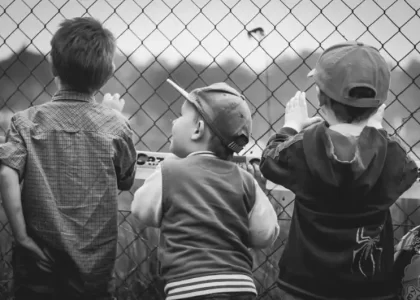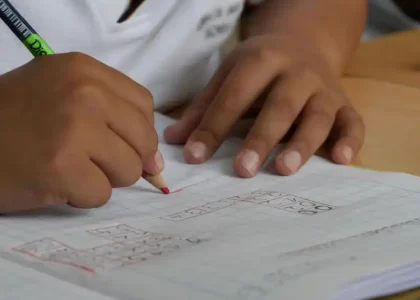
The experience of **expatriate families** often involves an involuntary, accelerated exposure to profound geopolitical and socio-economic disparities. A child may commute past extreme poverty to a privileged **international montessori** school, or frequently experience borders and documentation requirements. This immediate, jarring awareness of the external world’s complexities can prematurely activate the **Conscious Will**—the faculty of intentional choice and analytical judgment—at a time when the **Absorbent Mind** (the unconscious, non-selective assimilation of the environment) is meant to be dominant. This disruption is a significant threat to the child’s holistic development, forcing a premature transition from passive absorption to analytical comparison and judgment.
Mediating Disparity through the Second Great Lesson
The premature activation of the Conscious Will must be managed by the **international education** curriculum through strategic use of the **Second Great Lesson (The Coming of Life)**. This lesson, which details the formation of Earth and the evolution of species, should be used to contextualize disparity within a long-term, non-judgmental framework of **universal interdependence**. The directress must emphasize that differences in wealth and status are *ephemeral human systems*, whereas the fundamental laws of nature and the universal needs of all life forms (the need for water, air, light) are *immutable cosmic truths*. This framing provides the child with a philosophical tool to analyze disparity without internalizing its emotional chaos, effectively delaying the dominance of the judgmental Conscious Will until the child is fully prepared in the Second Plane.
Cultural Camps and the Reversal of Judgment
In the context of **Cultural exchange Montessori camps**, activities must be structured to actively reverse the child’s judgmental tendencies arising from their heightened awareness of disparity. This is achieved through the **Pedagogy of Reciprocal Necessity**. For example, a camp project might require a team of children from wealthy nations to rely entirely on the specialized knowledge of a child from a developing nation regarding resource efficiency or sustainable building techniques. This intentional reversal of traditional power dynamics forces the expatriate child to consciously re-evaluate their premature, judgment-laden perceptions. The use of a **bilingual Montessori program** within the camp ensures that this lesson is internalized across linguistic barriers, leading to genuine, non-patronizing respect for the contributions of every culture to the cosmic work.