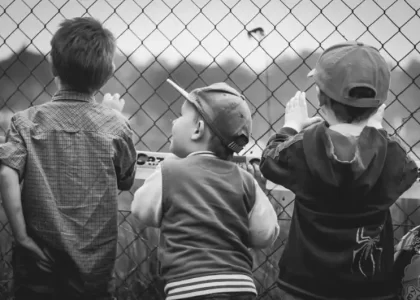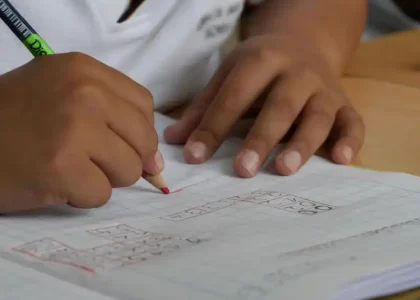
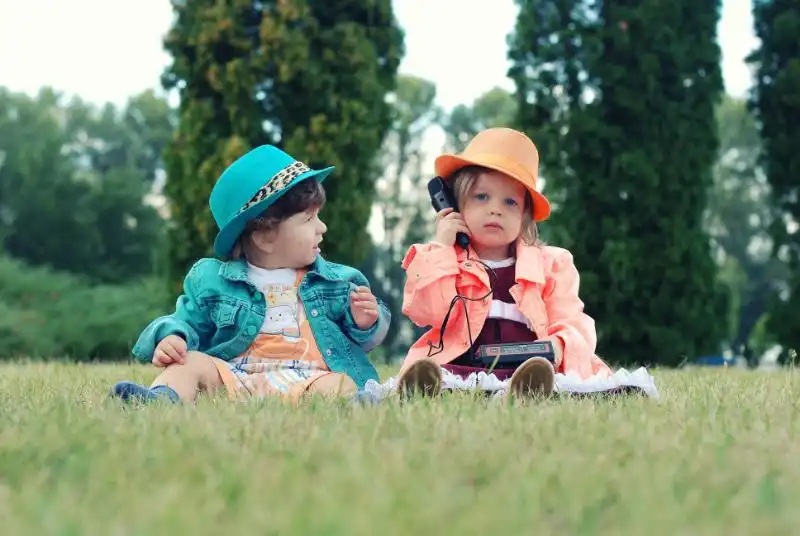
The Second Plane child (ages 6-12) possesses an intense, innate desire for **community** and is driven by the need for peer collaboration and social organization. In the context of **Montessori for expatriate families** programs, which often experience high student turnover, this need is perpetually frustrated. The child forms bonds only to experience their inevitable dissolution, leading to a defensive posture of **transient social engagement**—a refusal to commit fully to new relationships. The challenge of **international education** is to create structures that foster **durable, non-transient social bonds** despite the physical volatility.
Durable Bonds through Shared Intellectual Work
To overcome the limitations of physical impermanence, the focus must shift to creating **durable intellectual bonds**. In an **international montessori** environment, collaborative work should be structured around **Grand Projects** that are designed to take longer than the average student’s tenure in the program. For example, a multi-year, cross-cultural study of the history of mathematics (using the **bilingual Montessori program** for research across texts) can be broken into non-essential but interdependent segments. Each child contributes a part, and the collective body of work is passed on to the next generation of students. The child’s feeling of belonging is thus tied not to the persistence of individual friendships, but to their contribution to a **shared, enduring intellectual legacy**. The work itself becomes the constant companion and the community.
Camps and the Pedagogy of Collective Memory
The **Cultural exchange Montessori camps** must implement a **Pedagogy of Collective Memory** to forge social durability. This involves creating explicit rituals designed to memorialize the shared, transient experience. A key tool is the **”Time Capsule of Camp Laws”**—a project where the children collectively write down the new laws they invented for their temporary society, seal them with an agreement to remember, and digitally share the capsule with all participants. This transforms the fleeting experience into a permanent, shared cultural artifact. The social bonds are not predicated on physical co-presence after the camp, but on the **mutual possession of an unchangeable, shared history**. This pedagogical technique validates the child’s mobile experience while satisfying the fundamental human need for lasting community, making the camp a powerful tool for resilience in the face of the lifestyle of **expatriate families**.