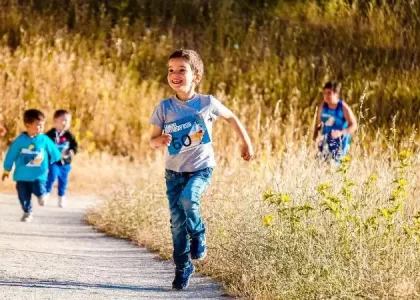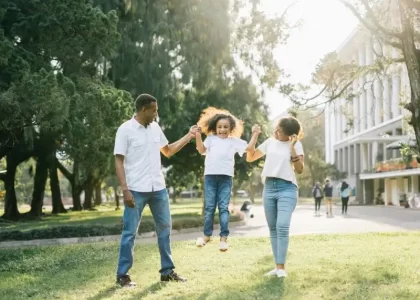
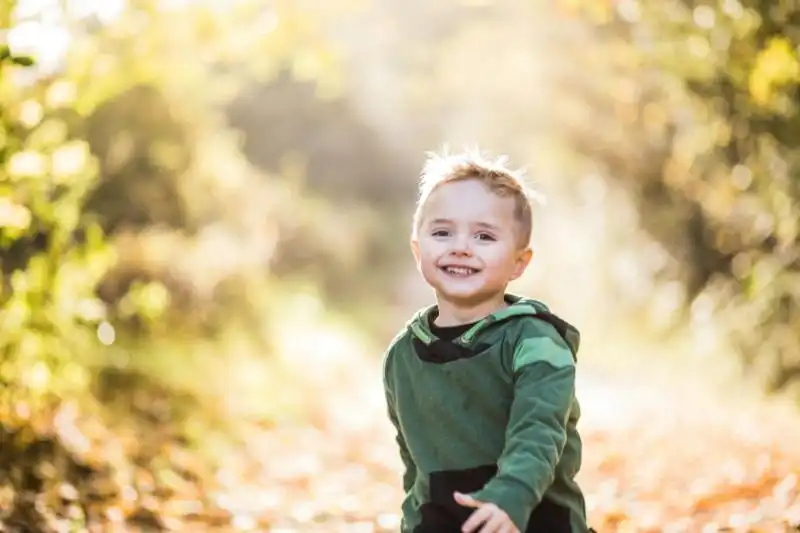
The dynamics of a classroom are complex, influenced by the personalities of the students, the environment, and the approach of the teacher. International Montessori Peace Education Training for international Teachers proposes a radical shift in these dynamics. By prioritizing peace and emotional intelligence, this training has the power to transform chaotic environments into orderly, nurturing communities of learners. The impact is profound and far-reaching.
Transforming Education Through Peace
A key element of this transformation is the shift from teacher-led discipline to student-led self-regulation. Traditional methods often rely on rewards and punishments to control behavior. However, the peace education training teaches educators how to nurture intrinsic motivation. Children learn to act correctly not because they fear punishment, but because they understand the impact of their actions on others. This shift creates a classroom dynamic based on mutual respect rather than authority and compliance.
The training also emphasizes the importance of emotional literacy. In many international classrooms, language barriers can lead to frustration and misunderstanding. By teaching children to identify and name their emotions, teachers provide them with a universal tool for communication. When a child can say “I am angry” instead of hitting, the dynamic of the interaction changes completely. Teachers trained in this method become expert facilitators of this emotional growth.
Collaboration replaces competition in the Montessori peace classroom. International Montessori Peace Education Training for international Teachers instructs educators on how to structure group work that requires interdependence. Children learn that they can achieve more together than they can alone. This is vital in an international context, where students must learn to work with peers from vastly different backgrounds. The classroom becomes a laboratory for global cooperation.
Another transformative aspect is the focus on nature and the environment. Peace education extends to the natural world. Teachers learn to incorporate gardening, animal care, and ecological projects into the curriculum. Caring for living things fosters empathy and a sense of stewardship. It grounds the children and provides a common purpose that unites the class. This connection to nature is often a soothing balm for the stresses of modern life and academic pressure.
The training also transforms the teacher. Educators often report feeling less stressed and more fulfilled after implementing these methods. The shift from “enforcer” to “guide” relieves the burden of constantly managing behavior. Teachers can focus on observing and supporting, which is the true joy of the profession. This positive change in the teacher’s demeanor radiates throughout the classroom, further stabilizing the dynamics.
Furthermore, the inclusion of parents in the peace process is encouraged. Teachers learn how to communicate the principles of peace education to families, creating a consistency between home and school. When parents understand and support the method, the child receives a unified message. This holistic approach strengthens the community around the child and reinforces the positive changes happening in the classroom.
In summary, International Montessori Peace Education Training for international Teachers is a catalyst for profound change. It redefines what a classroom can be. It proves that academic rigor and emotional well-being are not mutually exclusive but are, in fact, complementary. By adopting these methods, teachers can create a learning environment that is safe, supportive, and inspiring. They can transform the lives of their students and, in doing so, contribute to a more peaceful world.
The evidence of this transformation is found in the smiling faces of children who feel understood, in the quiet hum of a busy classroom, and in the confident, compassionate teachers who guide them. This training is the key to unlocking that potential. It is an invitation to reimagine education and to embrace a future where peace is the curriculum.